Available courses

Emotional Intelligence course explores emotional intelligence (EI) and its impact on personal and professional effectiveness. Topics include self-awareness, empathy, motivation, social skills, stress management, and conflict resolution.
Service-Learning Practice course focuses on experiential learning through continued community service engagement. Students implement projects, work with stakeholders, and reflect on outcomes to enhance civic responsibility and practical skills.
This course explores the structure, functioning, and development of the Indian economy. Topics include economic growth, sectors of the economy, fiscal and monetary policies, poverty, unemployment, reforms, and globalization.
Service Learning course engages students in community-based projects, combining academic learning with social service. Students identify societal issues, design and implement initiatives, and reflect on their experiences to enhance civic responsibility, professional skills, and ethical awareness.
Environmental Studies interdisciplinary course examines the interaction between humans and the environment. Topics include ecosystems, biodiversity, natural resources, pollution, climate change, sustainability, and environmental policies.
Computer Fundamentals course covers the basics of computer systems, including hardware, software, operating systems, networking, and productivity applications.
Organizational Behaviour course examines human behavior within organizational settings and explores how individuals, groups, and structures impact organizational effectiveness. It integrates insights from psychology, sociology, and management to understand workplace dynamics and enhance organizational performance.
Indian Economy course provides an in-depth understanding of the structure, functioning, and challenges of the Indian economy. It examines economic policies, development strategies, and key sectors that shape India’s growth and socio-economic progress.
Engaged Policy and Governance course explores the evolving landscape of participatory and inclusive governance, emphasizing the importance of citizen engagement, collaborative policymaking, and accountability in modern democratic systems. It focuses on how governments, communities, and stakeholders work together to create policies that are responsive, equitable, and grounded in real-world needs.
Public Policy course offers a comprehensive introduction to the field of Public Policy, focusing on the processes through which governments identify public problems, design solutions, and implement programs that shape societal outcomes.
Comparative and Development Administration course provides an in-depth understanding of Comparative Administration and Development Administration, two major branches of public administration that examine how governments function across different socio-political contexts and how administrative systems contribute to national development.
State and its Elements course provides a comprehensive understanding of the concept of the State, its evolution, structure, and core components. It explores how the State functions as a central institution in political science and public administration.
internal test

The Course Introduction to Culture, Religion and Identity of North East India is a 4 credit course offered to the research scholars of North East India Studies under Public Administration.  This Subject Specific Course is part of the PhD Course Work which every research scholar has to complete.  Successful completion of the course is mandatory for the completion of the PhD Course work.

Teachers:

Dr. Chandrima Das

Dr. Jose Palely (Teacher & Coordinator)


This Course is offered to Research Scholars as Subject Specific Module of the PhD Course Work.  This course has 4 modules and 3 assignments.  Successful completion of the course is a requirement for completion of the PhD Course Work. The Course will begin on 5th June 2023 and will complete by 22 August 2023.  

Teachers:

Dr. Zacharias Tirkey

Dr. Saurabh Chandra

Dr. Pankaj Kumar Kalita

Coordinator:

Dr. Jose Palely

"Understanding India" aims to equip students with a holistic perspective, enabling them to navigate and comprehend the intricate dynamics that shape the nation. Through a combination of theoretical knowledge, practical insights, and critical thinking exercises, participants will emerge with a well-rounded understanding of India's societal, cultural, political, and economic intricacies.


Multimedia and Graphics course introduces multimedia technologies and graphic design principles. Topics include image editing, audio-video integration, animation, interactive media, and software tools for multimedia development.
Enterprise Resource Planning course explores the concepts, architecture, and applications of ERP systems in organizations. Topics include modules for finance, HR, manufacturing, supply chain, and customer relationship management.
Digital Logic Design lab complements the theory course by providing practical experience in designing, simulating, and testing digital circuits. Students gain hands-on skills in building combinational and sequential logic circuits.
Digital Logic Design course introduces the principles of digital logic design, including Boolean algebra, logic gates, combinational and sequential circuits, flip-flops, counters, and memory elements.
Introduction to Java Programming lab provides hands-on practice in Java programming. Students implement object-oriented concepts, develop applications, and debug programs, reinforcing theoretical knowledge with practical problem-solving skills.
Introduction to Java Programming course introduces programming concepts using Java. Topics include object-oriented programming, classes, objects, inheritance, polymorphism, interfaces, exception handling, and basic GUI development.
Service-Learning Practice course offers practical experience in community service, complementing theoretical service-learning studies. Students engage in ongoing projects, apply learned skills, and reflect on their impact on local communities.
Digital and Technological Solutions course introduces emerging digital technologies and solutions that support business and organizational operations. Topics include cloud computing, AI, IoT, cybersecurity, and digital transformation strategies.
Communicative English I course develops basic English communication skills, emphasizing speaking, listening, reading, and writing. Topics include grammar, vocabulary, pronunciation, comprehension, and conversation practice.
Hardware and Server Maintenance course provides practical knowledge of computer hardware, servers, and networking equipment. This will help students learn to install, configure, maintain, and troubleshoot hardware components and server systems.
E-commerce Technologies course explores the technological foundations of electronic commerce, including online payment systems, web development, e-commerce platforms, digital marketing tools, security protocols, and business models.
This lab complements the theoretical data structures course by providing hands-on practice in implementing arrays, stacks, queues, linked lists, trees, and graphs using C.
Data Structures Using C course introduces data structures and algorithms using the C programming language. Topics include arrays, stacks, queues, linked lists, trees, graphs, searching, and sorting algorithms.
Business Communication course develops communication skills for professional settings, including verbal, non-verbal, and written communication. Topics include business correspondence, report writing, presentations, interpersonal communication, and digital communication tools.
Fundamentals of Business, Management & Economics course introduces foundational concepts of business, management, and economics. Students explore organizational structures, business functions, management principles, and economic decision-making. Topics include entrepreneurship, resource allocation, markets, and managerial planning.
Cyber Law and Ethics course introduces learners to the legal and ethical aspects of cyberspace, including regulations governing digital transactions, data protection, intellectual property, cybercrime, and privacy. It explores ethical dilemmas, professional responsibilities, and frameworks for ensuring safe, responsible, and lawful use of technology.
Computer Programming in C Language course provides hands-on practical experience in programming using the C language. Students apply theoretical concepts to develop, test, and debug programs, reinforcing their understanding of data types, control structures, functions, arrays, pointers, and file handling. Emphasis is placed on logical problem-solving, modular programming, and best coding practices.
Computer Programming in C Language course provides a foundational understanding of computer programming using the C language. It equips students with the knowledge and skills needed to write, analyze, and debug programs for problem-solving in various computational contexts.
Minor Internship course provides students with practical exposure to real-world organizational environments through short-term, structured internship experiences. It bridges the gap between academic learning and professional practice, allowing learners to apply theoretical concepts in practical settings.
Managerial Communication course provides a comprehensive understanding of communication principles, strategies, and practices essential for effective management and leadership. It emphasizes the role of communication in planning, organizing, leading, and controlling within organizational settings.
Emotional Intelligence course provides an in-depth understanding of emotional intelligence (EI) and its role in personal, professional, and organizational success. It emphasizes the ability to recognize, understand, and manage one’s own emotions, as well as the emotions of others, to improve interpersonal relationships, decision-making, and leadership effectiveness.
Introduction to Financial Management course provides a foundational understanding of the principles, concepts, and techniques of financial management in business and organizational contexts. It equips learners with the skills to make informed financial decisions and manage resources efficiently.
Fundamentals of Human Resource Management course provides an introduction to the essential concepts, functions, and practices of human resource management (HRM). It equips learners with the knowledge and skills needed to manage human capital effectively and contribute to organizational success.
Principles of Marketing course provides an introduction to the fundamental concepts, strategies, and practices of marketing. It equips learners with the knowledge and skills to understand consumer needs, create value, and effectively promote products and services in competitive markets.
Service-Learning Project course provides students with an experiential learning opportunity that integrates academic knowledge with community service. It emphasizes the development of practical skills, social responsibility, and civic engagement through projects that address real-world societal needs.
Computer Fundamentals course provides an introduction to the basic concepts, components, and applications of computers, equipping learners with essential digital literacy skills for academic, professional, and everyday use. It covers both theoretical and practical aspects of computing to build a strong foundation in information technology.
Basics of Quantitative Techniques course introduces students to the fundamental quantitative methods and analytical tools used for problem-solving, decision-making, and data analysis in business, management, and social sciences. It emphasizes practical application of mathematical and statistical techniques to real-world scenarios.
This course provides a comprehensive understanding of marketing research concepts, methodologies, and applications for informed decision-making in business and marketing management. It equips learners with the skills to systematically collect, analyze, and interpret data to solve marketing problems and identify opportunities.
Ethics, Values and Corporate Social Responsibility course explores the principles of ethics, values, and corporate social responsibility (CSR) in personal, professional, and organizational contexts. It aims to develop learners’ understanding of moral frameworks, ethical decision-making, and the social responsibilities of businesses and institutions in a globalized world.
Environmental Studies course provides an interdisciplinary introduction to environmental studies, focusing on the relationship between humans and the natural environment. It aims to develop awareness, knowledge, and skills necessary to understand environmental issues and promote sustainable practices.
Entrepreneurship Principles and Practices course provides a comprehensive introduction to the concepts, principles, and practices of entrepreneurship. It equips learners with the knowledge and skills required to identify business opportunities, develop innovative ideas, and establish and manage new ventures successfully.
Communicative English course is designed to develop learners’ proficiency in English communication for academic, professional, and everyday contexts. It emphasizes practical language skills that enable students to speak, listen, read, and write effectively and confidently.
Business Economics course provides a comprehensive introduction to the economic concepts and analytical tools used in business decision-making. It bridges economic theory with practical business applications, helping learners understand how firms operate within competitive markets and how economic forces influence managerial choices.
Fundamentals of Financial Accounting course introduces students to the essential principles, concepts, and techniques of financial accounting. It provides a solid foundation for understanding how financial information is recorded, processed, and reported to support decision-making in business and non-business organizations.
Management Concepts and Practices course provides a foundational understanding of management principles, functions, and practices essential for effective organizational performance. It introduces learners to the core concepts of planning, organizing, staffing, directing, and controlling while highlighting the role of managers in achieving organizational goals in dynamic environments.
Organizational Behaviour course provides a comprehensive understanding of human behaviour within organizations and examines how individuals, groups, and structures influence organizational effectiveness. It integrates insights from psychology, sociology, management, and behavioral sciences to explain why people act the way they do at work and how organizations can be managed more efficiently and humanely.
Policy Implementation course offers an in-depth examination of how public policies are translated from legislative intent into practical actions and outcomes. It focuses on the structures, processes, and challenges involved in carrying out government policies effectively within administrative systems.
This course provides a foundational understanding of the methods, processes, and techniques used to conduct systematic and scientific research in the social sciences and related fields. It equips learners with the knowledge and skills necessary to design research studies, collect and analyze data, and present research findings effectively.
Public Personnel Administration course provides a comprehensive understanding of the principles, processes, and practices involved in managing human resources within the public sector. It examines how government institutions recruit, develop, utilize, motivate, and evaluate personnel to ensure effective and accountable public service delivery.
Indian Administration course offers an in-depth study of the structure, evolution, and functioning of public administration in India. It provides an analytical understanding of how administrative institutions operate within the country’s constitutional, political, and socio-economic framework.
Administrative Theory and Principles course provides a foundational and comprehensive understanding of the theories, principles, and approaches that form the basis of modern public administration. It examines the evolution of administrative thought from classical to contemporary perspectives, highlighting how administrative systems function and how principles of management guide effective governance.
Policy Formulation- Structures and processes course provides an in-depth understanding of how public policies are conceived, shaped, and structured within governmental and institutional frameworks. It examines the political, administrative, and societal forces that influence policy formulation, and the processes through which ideas are transformed into actionable policy proposals.
This course provides a foundational understanding of Public Administration as both an academic discipline and a practical field of governmental activity. It introduces students to the nature, scope, and significance of Public Administration in modern democratic societies, emphasizing its role in policy implementation, public service delivery, and the functioning of government institutions.
Constitution of India
Service Learning (SL)
Basic Mathematics 1
Introduction to Indian Knowledge Systems
Disability and Rehabilitation Psychology
Angiosperms
India in South East Asian Politics (HR /IR)
Budget and Financial Administration in India
World Literature Since 20th Century
Shakespearean Drama
Cultural Studies
Arts and Aesthetics
Philosophical Foundations of Education
Fundamentals of Educational Psychology
Financial Economics
Environmental Economics and Sustainability
Mathematical Physics
Electricity and Magnetism
Archegoniates
Psychological Research and Testing
Developmental Psychology
Educational Thinkers
History of Economic Thoughts
Entrepreneurship Development
Visual Communication
Advertising
History of Media
Psychological Bases of Education
Introduction to Biology of Insecta
Statistical Methods for Economics
Intermediate Microeconomics
Introduction to International Relations (IR)
Diversity of Non-Chordates
Calculus
Indian Economy
Guidance and Counselling in Education
Nutrition for Community Health
Introduction to Literary Genres
Lab Data Structures & Algorithms
The Advanced Database Management Systems (ADBMS) Lab provides practical exposure to advanced concepts in database design, implementation, and optimization. This lab course builds on foundational database knowledge and focuses on modern database technologies, advanced querying, transaction management, and NoSQL systems.
The Internet Technology and Applications Lab is designed to provide practical experience in developing and deploying web-based applications using internet technologies. This lab course introduces students to the core concepts of web development, client-server architecture, internet protocols, and modern web tools and frameworks.
The Data Communication & Computer Networks Lab course provides hands-on experience in the principles and practices of data communication and networking. This lab-based course is designed to complement theoretical knowledge by allowing students to implement, simulate, and analyze various networking concepts, protocols, and technologies.
Internet Technology and applications objective of the course is to familiarize the students with a discussion on Internet and its growth. It also provides the students a study on the basic services provided by the Internet. A familiarization on the markup languages, scripting languages and web application development are also being discussed to make the student competent to design websites.
The field of software engineering aims to find answers to the many problems that software development projects are likely to meet when constructing large software systems.
The objective of this course is to introduce the basic conceptual background necessary to design and develop simple database systems. The course stresses on database modeling and design, physical file storage techniques and SQL query language facilities provided by database management systems.
Data Communication & Computer Networks course provides an in-depth understanding of the fundamental principles and technologies behind data communication and computer networking.
Sensors Networks & IoT course provides an in-depth exploration of sensor networks and the Internet of Things (IoT), focusing on the design, implementation, and management of these technologies in real-world applications.
Programming through Java course provides a thorough introduction to programming using Java, focusing on fundamental concepts of computer science and software development.
Theory of Computation course provides an in-depth exploration of the theoretical foundations of computer science. Students will study key concepts such as formal languages, automata theory, computational models, and the limits of computation. T
Operating Systems course provides a comprehensive introduction to the concepts and principles behind operating systems.
Quantitative Methods course introduces students to the quantitative techniques and statistical tools used in business and decision-making.
Understanding India is a comprehensive course designed to introduce students to the rich cultural, historical, social, political, and economic landscape of India. India, with its vast diversity, complex societal structure, and rapid transformation, has become one of the most influential countries in the world. This course aims to provide students with an in-depth understanding of the key aspects that shape India’s identity and its role in the global context.
This zero-credit course encourages students to participate in community service projects. It emphasizes the application of academic knowledge in addressing social issues and the development of professional skills through real-world engagement.
A lab course that allows students to apply theoretical knowledge from Advanced Database Management Systems to real-world database problems, such as optimization, distributed databases, and complex queries.
Provides practical experience in building internet applications, focusing on web development tools, HTML, JavaScript, and server-side programming. Students work on projects involving real-time internet-based systems.
A practical course that complements Data Communication and Computer Networks, focusing on hands-on experience with network devices, protocols, and troubleshooting in a lab setting.
Introduces the design and application of sensor networks and IoT systems. Topics include wireless sensor networks, communication protocols, sensor hardware, and data processing techniques for IoT applications.
Covers the use of internet technologies, including web development, cloud computing, and web services. Students learn about protocols, security, and internet-based application development.
Focuses on advanced database concepts, such as distributed databases, database normalization, query optimization, and data warehousing. Students explore the design and management of complex database systems.
Introduces the fundamental concepts of data communication and networking, including network protocols, transmission modes, and architectures. Topics also include OSI and TCP/IP models, network security, and wireless networks.
This course covers the principles and practices of software development, including software lifecycle models, design patterns, testing, and maintenance. Emphasis is placed on methodologies such as Agile and Waterfall, and tools for managing software projects.
Hands-on experience in Java programming, focusing on object-oriented principles and real-world application development.
Practical implementation of data structures and algorithms to solve real-world problems.
OBJECTIVES :
This lab course is designed to provide hands-on experience with core operating system concepts and Linux commands. Through practical exercises, students will develop skills in shell scripting, process management, and inter-process communication. The course emphasizes working with system calls, handling processes and signals, and implementing synchronization mechanisms like semaphores and mutexes. Students will also apply their knowledge to simulate process scheduling, memory management, and file system organization, enabling them to analyze and construct foundational OS functionalities in a Linux environment.
Focuses on object-oriented programming concepts using Java, covering core features, libraries, and practical applications.
Introduces data organization techniques and algorithmic strategies for solving computational problems efficiently.
Covers operating system concepts, including process management, memory management, and file systems, emphasizing practical applications.
Explores computational theory, including automata, formal languages, and Turing machines, to understand the limits of computation.
Introduces mathematical concepts critical for computer science, including logic, set theory, graph theory, and combinatorics.
Examines individual and group behavior within organizations, focusing on motivation, leadership, teamwork, and organizational culture.
Explores HR practices, including recruitment, training, performance appraisal, and labor relations, to enhance employee and organizational performance.
Covers research methodologies, data collection, and analysis techniques to understand consumer behavior and support strategic marketing decisions.
Focuses on the entrepreneurial process, from idea generation to business planning and implementation, fostering innovation and risk-taking.
Explores statistical and mathematical techniques for solving business problems, including optimization, forecasting, and data analysis.
Provides insights into financial decision-making, covering topics like capital budgeting, risk analysis, and financial planning in organizations.
Focuses on the principles of financial accounting, preparation of financial statements, and analysis of financial data for informed decision-making.
Examines ethical frameworks, corporate social responsibility (CSR), and sustainable business practices in the context of global business challenges.
Covers marketing principles, consumer behavior, market segmentation, and strategies for product, pricing, promotion, and distribution to create customer value.
Develops effective communication skills for managers, emphasizing professional writing, presentations, and interpersonal communication in diverse organizational settings.
Explores microeconomic principles and their application in business decision-making, focusing on demand analysis, cost estimation, pricing strategies, and market structures.
Introduces fundamental management concepts, including planning, organizing, leading, and controlling, with an emphasis on decision-making and organizational effectiveness.
Marketing Management course provides an in-depth exploration of marketing management principles and practices, focusing on the strategic planning and execution of marketing activities to achieve organizational objectives. It covers key concepts, tools, and techniques used by marketers to understand customer needs, create value propositions, and develop effective marketing strategies in dynamic and competitive markets.
This course provides an in-depth exploration of software engineering principles and practices within the context of agile methodologies. It covers the concepts, techniques, and tools used in agile software development, emphasizing iterative and incremental approaches to delivering high-quality software products that meet customer needs and adapt to changing requirements.
Sure! "Human Resources Management" is a field of study and practice that focuses on managing people within organizations to achieve organizational goals effectively and efficiently. Heres a general course description for a Human Resources Management course: Course Title: Human Resources Management Course Description: This course provides an in-depth examination of the principles, theories, and practices of human resources management (HRM) in organizations. It covers various aspects of HRM, including recruitment and selection, training and development, performance management, compensation and benefits, employee relations, and legal and ethical considerations.
"Database Management System" is a course that delves into the principles, design, implementation, and management of databases, which are crucial for storing, organizing, and retrieving large volumes of data efficiently.
Corporate finance is the area of finance dealing with monetary decisions that business enterprises make and the tools and analysis used to make these decisions. The primary goal of corporate finance is to maximize shareholder value while managing the firms financial risks. 
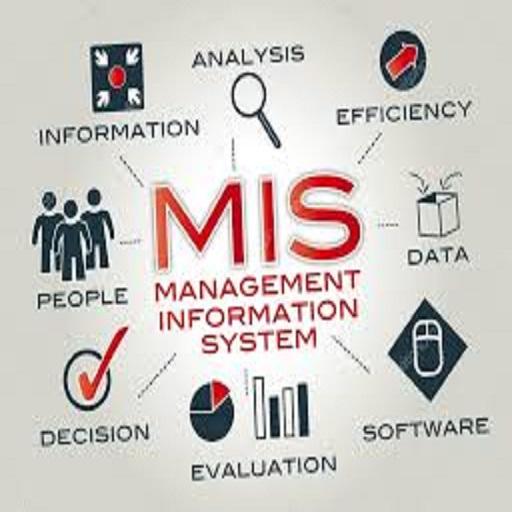
A Management Information Systems (MIS) focuses on the management of information systems to provide efficiency and effectiveness of strategic 
It is a fact that organization’s strategy gives us an idea about what the organization wants to achieve and the process how they want to achieve it. It basically includes the purpose of the entire organization, its goals and objectives as well as the plans and methods that they are considering so that they can achieve this. A strategy also involves the determination of the entire basic long term goals as well as objectives of the organization. At the same time, it adopts the courses of action that is necessary and the allocation of all the resources needed to achieve the goals. And then, here comes business strategy. A business strategy is a report that shows the plans of the entire business. It is a plan that is often used so that they can attract financing from big investors as well as creditors.
Organisational Behaviour is a multi-disciplined approach to how an organisation works. It takes into account the personality system of a organisation, the cultural system and also the social system.Organizational Behavior is the study and application of knowledge about how people, individuals, and groups act in organizations. It does this by taking a system approach. That is, it interprets people-organization relationships in terms of the whole person, whole group, whole organization, and whole social system. Its purpose is to build better relationships by achieving human objectives, organizational objectives, and social objectives.
Operations management is an area of management concerned with overseeing, designing, and redesigning business operations in the production of goods and/or services. It involves the responsibility of ensuring that business operations are efficient in terms of using as little resources as needed, and effective in terms of meeting customer requirements. It is concerned with managing the process that converts inputs (in the forms of materials, labor, and energy) into outputs (in the form of goods and/or services). The relationship of operations management to senior management in commercial contexts can be compared to the relationship of line officers to the highest-level senior officers in military science. The highest-level officers shape the strategy and revise it over time, while the line officers make tactical decisions in support of carrying out the strategy. In business as in military affairs, the boundaries between levels are not always distinct; tactical information dynamically informs strategy, and individual people often move between roles over time.
Sales management is a business discipline which is focused on the practical application of sales techniques and the management of a firms sales operations. It is an important business function as net sales through the sale of products and services and resulting profit drive most commercial business. These are also typically the goals and performance indicators of sales management. Sales manager is the typical title of someone whose role is sales management. The role typically involves sales planning, human resources, talent development, leadership and control of resources such as organisational assets.
Management can be defined as all the activities and tasks undertaken by one or more persons for the purpose of planning and controlling the activities of others in order to achieve an objective or complete an activity that could not be achieved by the others acting independently. Management as defined by well known authors in the field of management contains the following components: Planning, Organizing, Staffing, Directing (Leading)and Controlling.
The understanding of the application of marketing theories, concepts, and practices as they relate to the management of the marketing function in a complex organization. Emphasis will be on the managerial aspects of marketing plans, including analysis of the external environment. The Course prepares you in the fundamentals of managing the marketing function within organizations. The course is designed to give you both the theoretical and practical knowledge necessary to identify, analyze and solve marketing problems.
Managerial economics (sometimes referred to as business economics) is a branch of economics that applies micro economic analysis to decision methods of businesses or other management units. As such, it bridges economic theory and economics in practice. It draws heavily from quantitative techniques such as regression analysis and correlation, Lagrangian calculus (linear). If there is a unifying theme that runs through most of managerial economics it is the attempt to optimize business decisions given the firms objectives and given constraints imposed by scarcity, for example through the use of operations research and programming.
Management Accounting is "the process of identification, measurement, accumulation, analysis, preparation, interpretation and communication of information used by management to plan, evaluate and control within an entity and to assure appropriate use of and accountability for its Resource (economics) resources. Management accounting also comprises the preparation of financial reports for non-management groups such as shareholders, creditors, regulatory agencies and tax authorities"
The Human Resource Management introduces students to the basic concepts of human resource management, and allows further study in the areas of employment law, risk management, recruitment and selection of employees, international HR, change management, compensation and benefits, employee development, and performance management.
Financial Management means planning, organizing, directing and controlling the financial activities such as procurement and utilization of funds of the enterprise. It means applying general management principles to financial resources of the enterprise. Effective financial management is of vital importance to any company, particularly if it aims to improve its profitability, liquidity and solvency. The purpose of this course is to teach managers the fundamentals of financial management.
Human rights are moral principles or norms that describe certain standards of human behaviour and are regularly protected as natural and legal rights in municipal and international law. They are commonly understood as inalienable, fundamental rights "to which a person is inherently entitled simply because she or he is a human being" and which are "inherent in all human beings", regardless of their nation, location, language, religion, ethnic origin, or any other status. They are applicable everywhere and at every time in the sense of being universal, and they are egalitarian in the sense of being the same for everyone. Gender equality, also known as sexual equality or equality of the sexes, is the state of equal ease of access to resources and opportunities regardless of gender, including economic participation and decision-making; and the state of valuing different behaviors, aspirations and needs equally, regardless of gender. Gender equality is the goal, while gender neutrality and gender equity are practices and ways of thinking that help in achieving the goal.
Statistics is a branch of mathematics working with data collection, organization, analysis, interpretation and presentation. In applying statistics to a scientific, industrial, or social problem, it is conventional to begin with a statistical population or a statistical model to be studied. Populations can be diverse groups of people or objects such as "all people living in a country" or "every atom composing a crystal". Statistics deals with every aspect of data, including the planning of data collection in terms of the design of surveys and experiments.
Educational technology is the use of both physical hardware, software, and educational theoretic to facilitate learning and improving performance by creating, using, and managing appropriate technological processes and resources. It encompasses several domains including learning theory, computer-based training, online learning, and where mobile technologies are used, m-learning. Accordingly, there are several discrete aspects to describing the intellectual and technical development of educational technology.
Personality development is the relatively enduring pattern of the thoughts, feelings, and behaviors that distinguish individuals from one another. The dominant view in the field of personality psychology today holds that personality emerges early and continues to change in meaningful ways throughout the lifespan. Adult personality traits are believed to have a basis in infant temperament, meaning that individual differences in disposition and behavior appear early in life, possibly even before language or conscious self-representation develop. The Five Factor Model of personality has been found to map onto dimensions of childhood temperament, suggesting that individual differences in levels of the “big five” personality traits (neuroticism, extraversion, openness to experience, agreeableness, and conscientiousness) are present from young ages.
Child psychology, also called child development, the study of the psychological processes of children and, specifically, how these processes differ from those of adults, how they develop from birth to the end of adolescence, and how and why they differ from one child to the next. The topic is sometimes grouped with infancy, adulthood, and aging under the category of developmental psychology.
Environment and Human Rights covers the basic principles and concepts of human rights, the SDGs with emphasis on the goals and targets most relevant to environmental protection, and the relationship between human rights and the environment.
Children rights are the human rights of children with particular attention to the rights of special protection and care afforded to minors. The 1989 Convention on the Rights of the Child (CRC) defines a child as "any human being below the age of eighteen years, unless under the law applicable to the child, majority is attained earlier."Childrens rights includes their right to association with both parents, human identity as well as the basic needs for physical protection, food, universal state-paid education, health care, and criminal laws appropriate for the age and development of the child, equal protection of the childs civil rights, and freedom from discrimination on the basis of the childs race, gender, sexual orientation, gender identity, national origin, religion, disability, color, ethnicity, or other characteristics. Interpretations of childrens rights range from allowing children the capacity for autonomous action to the enforcement of children being physically, mentally and emotionally free from abuse, though what constitutes "abuse" is a matter of debate. Other definitions include the rights to care and nurturing.There are no definitions of other terms used to describe young people such as "adolescents", "teenagers", or "youth" in international law, but the childrens rights movement is considered distinct from the youth rights movement. The field of childrens rights spans the fields of law, politics, religion, and morality.

Human Rights, Law and Criminal Justice talks about the relationship between human rights and criminal justice in India. ... The scope for free legal aid and services available to those aggrieved individuals under the Indian laws and procedures
The Constitution of India provides for Fundamental rights, which include freedom of religion. Clauses also provide for freedom of speech, as well as separation of executive and judiciary and freedom of movement within the country and abroad. The country also has an independent judiciary and well as bodies to look into issues of human rights. The Fundamental Rights, Directive Principles of State Policy and Fundamental Duties are sections of the Constitution of India that prescribe the fundamental obligations of the states to its citizens and the duties and the rights of the citizens to the State. These sections comprise a constitutional bill of rights for government policy-making and the behaviour and conduct of citizens. These sections are considered vital elements of the constitution, which was developed between 1947 and 1949 by the Constituent assembly of India.
The philosophy of human rights attempts to examine the underlying basis of the concept of human rights and critically looks at its content and justification. Several theoretical approaches have been advanced to explain how and why the concept of human rights developed. One of the oldest Western philosophies on human rights is that they are a product of a natural law, stemming from different philosophical or religious grounds. Other theories hold that human rights codify moral behavior which is a human social product developed by a process of biological and social evolution (associated with Hume). Human rights are also described as a sociological pattern of rule setting (as in the sociological theory of law and the work of Weber). These approaches include the notion that individuals in a society accept rules from legitimate authority in exchange for security and economic advantage (as in Rawls) – a social contract. The two theories that dominate contemporary human rights discussion are the interest theory and the will theory. Interest theory argues that the principal function of human rights is to protect and promote certain essential human interests, while will theory attempts to establish the validity of human rights based on the unique human capacity for freedom.
Corporate finance is the area of finance dealing with monetary decisions that business enterprises make and the tools and analysis used to make these decisions. The primary goal of corporate finance is to maximize shareholder value while managing the firms financial risks. Although it is in principle different from managerial finance which studies the financial decisions of all firms, rather than corporations alone, the main concepts in the study of corporate finance are applicable to the financial problems of all kinds of firms. The discipline can be divided into long-term and short-term decisions and techniques. Capital investment decisions are long-term choices about which projects receive investment, whether to finance that investment with equity or debt, and when or whether to pay dividends to shareholders. On the other hand, short term decisions deal with the short-term balance of current assets and current liabilities; the focus here is on managing cash, inventories, and short-term borrowing and lending (such as the terms on credit extended to customers).
Business Law are an indispensable part of a successful business environment in any country. They reflect the policy framework and the mind set of the Governmental structure of that country. They ensure that every company is functioning as per the statutory framework of the country. Every enterprise must take into account this legal set up while framing the basic aims and objectives of its company. This is because, it is necessary for efficient and healthy functioning of the organization and helps it to know about the rights, responsibilities as well as the challenges that it may have to face. 
Statistical methods used in business research, analysis and decision making; preparation and presentation of data, frequency distributions, measures of central tendency and dispersion, statistical inference, regression and correlation.
A research design is the set of methods and procedures used in collecting and analyzing measures of the variables specified in the problem research. The design of a study defines the study type (descriptive, correlation, semi-experimental, experimental, review, meta-analytic) and sub-type (e.g., descriptive-longitudinal case study), research problem, hypotheses, independent and dependent variables, experimental design, and, if applicable, data collection methods and a statistical analysis plan. A research design is a framework that has been created to find answers to research questions.
The understanding of the application of marketing theories, concepts, and practices as they relate to the management of the marketing function in a complex organization. Emphasis will be on the managerial aspects of marketing plans, including analysis of the external environment. The Course prepares you in the fundamentals of managing the marketing function within organizations. The course is designed to give you both the theoretical and practical knowledge necessary to identify, analyze and solve marketing problems.
Organisational Behaviour is a multi-disciplined approach to how an organisation works. It takes into account the personality system of a organisation, the cultural system and also the social system.Organizational Behavior is the study and application of knowledge about how people, individuals, and groups act in organizations. It does this by taking a system approach. That is, it interprets people-organization relationships in terms of the whole person, whole group, whole organization, and whole social system. Its purpose is to build better relationships by achieving human objectives, organizational objectives, and social objectives.
The understanding of the application of marketing theories, concepts, and practices as they relate to the management of the marketing function in a complex organization. Emphasis will be on the managerial aspects of marketing plans, including analysis of the external environment. The Course prepares you in the fundamentals of managing the marketing function within organizations. The course is designed to give you both the theoretical and practical knowledge necessary to identify, analyze and solve marketing problems.
Business ethics is a form of applied ethics or professional ethics that examines ethical principles and moral or ethical problems that arise in a business environment. It applies to all aspects of business conduct and is relevant to the conduct of individuals and entire organizations. Business ethics has both normative and descriptive dimensions. As a corporate practice and a career specialization, the field is primarily normative. Academics attempting to understand business behavior employ descriptive methods.
Management Accounting is "the process of identification, measurement, accumulation, analysis, preparation, interpretation and communication of information used by management to plan, evaluate and control within an entity and to assure appropriate use of and accountability for its Resource (economics) resources. Management accounting also comprises the preparation of financial reports for non-management groups such as shareholders, creditors, regulatory agencies and tax authorities"
This course offers an exploration of the diverse and dynamic literary contributions of Indian women writers across different genres and periods. Through a selection of novels, short stories, poetry, essays, and plays, students will delve into the rich tapestry of Indian womens experiences, perspectives, and narratives, examining themes such as identity, family, tradition, gender roles, social change, and cultural hybridity.

This course is an in-depth study of the life, works, and literary contributions of T.S. Eliot, one of the most influential poets of the 20th century. Through a comprehensive examination of his poetry, critical essays, and cultural context, students will gain a deep understanding of Eliot's poetic style, thematic concerns, and the lasting impact of his work on modern literature.The course will begin by exploring the biographical background of T.S. Eliot, examining the major events and influences that shaped his life and artistic development. We will delve into his early years, including his upbringing in St. Louis, Missouri, his education at Harvard and Oxford, and his eventual relocation to England, where he became a central figure in the modernist literary movement.

This course offers a deep dive into the rich and diverse literary landscape of North-East India through the lens of English literature. Situated at the crossroads of cultures, histories, and identities, the North-East region of India has produced a wealth of literary works that reflect its unique socio-cultural milieu and complex historical experiences.
This course provides students with the opportunity to hone their critical analysis and communication skills through seminar-style discussions and presentations focused on literary texts.
The course "Approaches to Language and Literary Research" provides students with a comprehensive overview of the various approaches, methods, and tools used in language and literary research. This course aims to develop students' research skills, critical thinking abilities, and scholarly understanding of language and literature. Through a combination of theoretical exploration, practical exercises, and independent research projects, students will gain the necessary tools and techniques to conduct effective research in the field of language and literary studies.
The course "Shakespearean Drama 2 – Tragedy and Tragi-Comedy" delves into the rich and profound world of Shakespeare's tragic plays and tragi-comedies. Through close reading, analysis, and contextual exploration, students will engage with some of Shakespeare's most celebrated works, studying their themes, characters, language, and dramatic techniques. This course aims to deepen students' understanding of Shakespeare's mastery as a playwright, while also exploring the complexities of human nature, morality, and the tragic and comic dimensions of life.
The course "Literary Criticism – Plato to F.R. Leavis" provides a comprehensive exploration of the major theories, approaches, and thinkers in the field of literary criticism from ancient Greece to the influential works of F.R. Leavis in the 20th century. Through the examination of key texts and critical perspectives, students will develop a deep understanding of the evolution of literary criticism, its methodologies, and its impact on the interpretation and analysis of literature.
The course "Restoration to Romantic Period – Poetry and Drama" explores the rich and diverse literary landscape of English poetry and drama from the Restoration era to the Romantic period. This course delves into the major poetic and dramatic works of the time, examining their historical, cultural, and artistic significance. Through close reading, critical analysis, and contextual exploration, students will gain a deep understanding of the themes, styles, and innovations that characterized this transformative period in English literature.
The course "Rhetoric and Prosody" explores the principles and techniques of rhetoric and prosody in literature and communication. Rhetoric refers to the art of persuasive communication, while prosody refers to the study of poetic meter, rhythm, and sound patterns. This course aims to enhance students' understanding of how language is structured, employed, and crafted to create persuasive and aesthetically pleasing texts. Through a combination of theoretical study, analysis of literary texts, and practical exercises, students will develop skills in effective communication, critical thinking, and literary analysis. They will explore the historical development of rhetoric and prosody, examine their applications in various genres, and gain insights into the power of language in shaping meaning and impact.
The course "Shakespearean Drama 1 – Comedy and History Plays" focuses on the study and analysis of William Shakespeare's comedies and history plays. Through close reading, performance analysis, and critical examination, students will explore the diverse themes, characters, language, and dramatic techniques employed by Shakespeare in these genres. The course aims to deepen students' understanding of Shakespeare's works and their cultural and literary significance.
The course "Literary and Social History - Chaucer to Elizabethan Period" explores the intersection between literature and social history during the period spanning from Geoffrey Chaucer to the Elizabethan era. This course delves into the major literary works of the time, examining their historical context and their reflection of the social, cultural, and political changes that occurred during this transformative period in English history. Through the analysis of primary texts, historical documents, and critical readings, students will develop a nuanced understanding of the interplay between literature and the broader social dynamics of the Chaucerian and Elizabethan periods.
The course "Chaucer to Elizabethan Period – Poetry, Drama & Romance" explores the rich literary traditions of the English language from the time of Geoffrey Chaucer to the Elizabethan era. The course focuses on the major works, themes, and literary movements of this period, encompassing poetry, drama, and romance. Through close reading, critical analysis, and discussions, students will gain a deeper understanding of the literary, cultural, and historical contexts of the selected works.
Education Technology helps in improving teaching learning process and reaching the pre-set goals of education through systematic organization of learning procedures and processes.
Models of communication are conceptual models used to explain the human communication process. The first major model for communication was developed in 1948 by Claude Shannon and published with an introduction by Warren Weaver for Bell Laboratories. Following the basic concept, communication is the process of sending and receiving messages or transferring information from one part (sender) to another (receiver).
Communication studies or communication science is an academic discipline that deals with processes of human communication and behavior, patterns of communication in interpersonal relationships, social interactions and communication in different cultures. Communication is commonly defined as giving, receiving or exchanging ideas, information, signals or messages through appropriate media, enabling individuals or groups to persuade, to seek information, to give information or to express emotions effectively. Communication studies is a social science that uses various methods of empirical investigation and critical analysis to develop a body of knowledge that encompasses a range of topics, from face-to-face conversation at a level of individual agency and interaction to social and cultural communication systems at a macro level.
Media ethics is the best division of applied ethics dealing with the specific ethical principles and standards of media, including broadcast media, film, theatre, the arts, print media and the internet. The field covers many varied and highly controversial topics, ranging from war journalism to Benetton ad campaigns. Media ethics promotes and defends values such as a universal respect for life and the rule of law and legality. Media Ethics defines and deals with ethical questions about how media should use texts and pictures provided by the citizens.
Event management is the application of project management to the creation and development of small and/or large-scale personal or corporate events such as festivals, conferences, ceremonies, weddings, formal parties, concerts, or conventions. It involves studying the brand, identifying its target audience, devising the event concept, and coordinating the technical aspects before actually launching the event.
Social Problems is the official publication of the Society for the Study of Social Problems. Social Problems are universal in nature, but their intensity and type change from society to society. Social problems are socially relative. It is a quarterly peer-reviewed journal published by Oxford University Press since 2015 and formerly published by University of California Press. It was established in 1953. Some of the areas covered by the journal include: conflict, social action, and change; crime and juvenile delinquency; drinking and drugs; health, health policy, and health services; mental health; poverty, class, and inequality; racial and ethnic minorities; sexual behavior, politics, and communities; and youth, aging, and the life course.
Radio production is about communicating and delivering a message to listeners, the history, business environment of radio and the basic science of radio will also be examined. A basic knowledge and understanding of radio business and production is necessary for many radio station jobs, both "on" and "off" air in news and entertain programming, including positions like show producer, talent, program director, promotions director and production director.
Public relations (PR) is the practice of deliberately managing the release and spread of information between an individual or an organization (such as a business, government agency, or a nonprofit organization) and the public in order to affect the public perception. Public relations (PR) and publicity differ in that PR is controlled internally, whereas publicity is not controlled and contributed by external parties. Public relations may include an organization or individual gaining exposure to their audiences using topics of public interest and news items that do not require direct payment. This differentiates it from advertising as a form of marketing communications. Public relations aims to create or obtain coverage for clients for free, also known as earned media, rather than paying for marketing or advertising. But in the early 21st century, advertising is also a part of broader PR activities.